
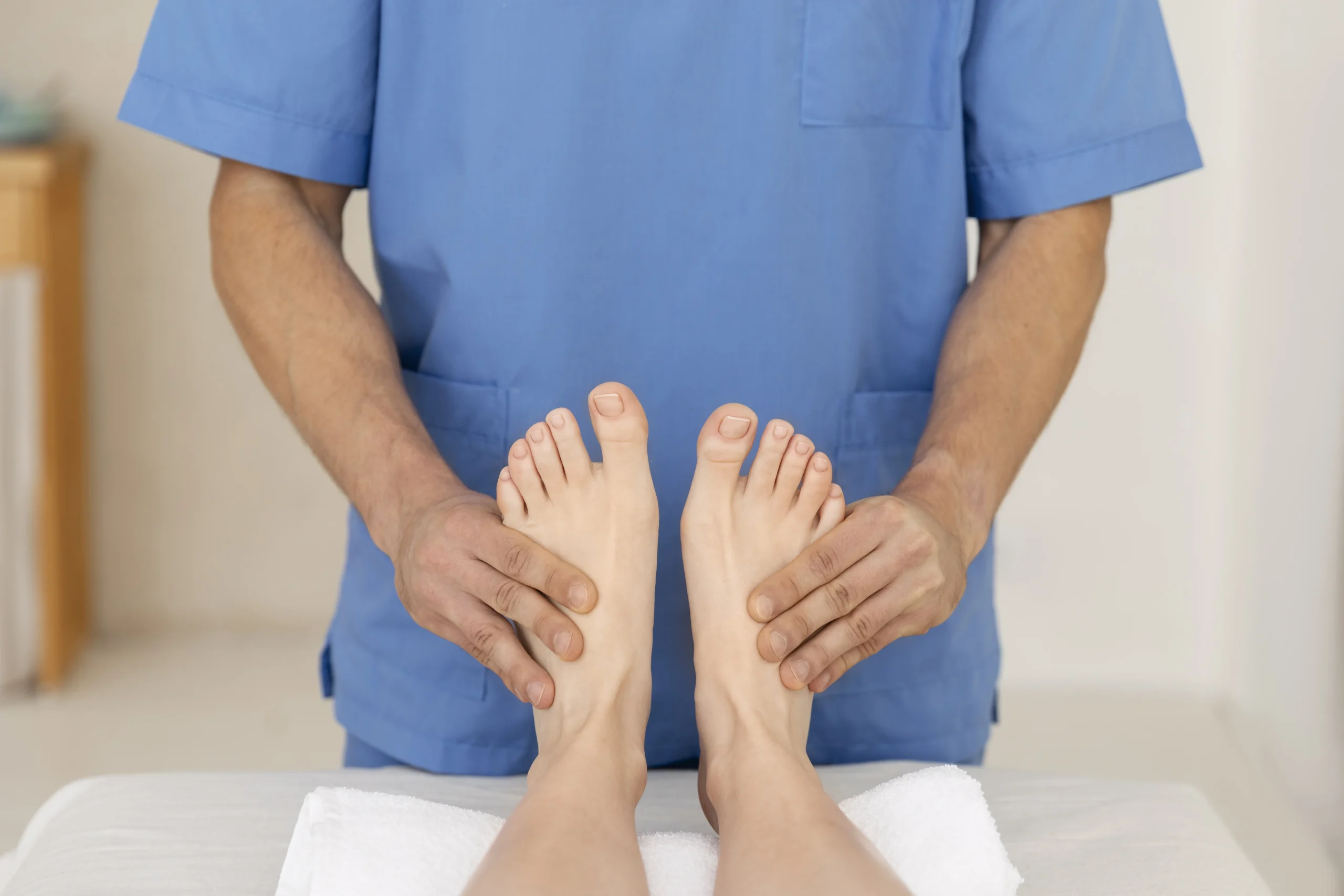
Why Do My Heels Hurt in the Morning? Understanding Plantar Fasciitis in 2026
For many Australians, the first few steps of the day are the hardest. You swing your legs out of bed, stand up, and are immediately met with a sharp, stabbing sensation in your heel—as if you’re stepping on a jagged stone. If this sounds familiar, you aren’t alone. In 2026, heel pain remains the #1 reason patients visit a podiatrist in Australia, and the most common culprit is Plantar Fasciitis.
But why does it hurt more in the morning, and what can modern podiatry do to fix it? In this guide, we explore the science behind “first-step” pain and the advanced treatments available to help you walk pain-free again.
What is Plantar Fasciitis?
The plantar fascia is a thick, fibrous band of connective tissue that runs along the bottom of your foot, connecting your heel bone to your toes. It acts as a natural shock absorber and supports the arch of your foot.
Plantar Fasciitis occurs when this tissue becomes overloaded, leading to micro-tears and inflammation near the heel.
Why the Morning "Stab"?
The reason your pain is most intense in the morning is due to how our bodies rest. While you sleep, your feet naturally point downwards (plantarflexion), causing the plantar fascia to shorten and tighten. When you take that first step in the morning:
- The fascia is suddenly stretched under your full body weight.
- The irritated fibers are placed under immediate tensile load.
- This results in the characteristic sharp, “stone bruise” pain.
Common Causes and 2026 Risk Factors
In 2026, we are seeing new trends contribute to the rise of heel pain across Australia:
- The Barefoot Home Office: With more Australians working remotely, walking barefoot on hard surfaces like tiles or timber all day has significantly increased arch strain.
- Rapid Fitness Increases: “Zero-to-hero” training programs without adequate foot conditioning.
- Unsupportive Footwear: Wearing flat thongs or “aesthetic” sneakers that lack structural arch support.
- Biomechanics: Having very flat feet (over-pronation) or very high arches.
Advanced Podiatrist Treatments in 2026
If your heel pain lasts longer than two weeks, it is time to stop “Googling” and see a professional. Modern Australian podiatry has moved far beyond simple rest and ice.
Shockwave Therapy (ESWT)
Shockwave therapy has become the gold standard for chronic heel pain in 2026. It uses high-frequency acoustic waves to stimulate blood flow and trigger the body’s natural healing response in the damaged tissue.
- Benefit: Non-invasive, no downtime, and often provides immediate pain reduction.
3.D. Printed Custom Orthotics
Generic “off-the-shelf” inserts often fail because they don’t account for your unique gait. Podiatrists now use 3D laser scanning to create custom orthotics that redistribute pressure and offload the plantar fascia precisely where it’s needed.
Biomechanical & Gait Analysis
Using AI-enhanced pressure plates, a podiatrist can analyze your walking pattern to identify “why” the injury happened, ensuring the treatment fixes the cause, not just the symptom.
The "5-Minute Morning Protocol"
While waiting for your podiatry appointment, you can reduce morning stiffness with this expert-recommended routine:
- The Towel Stretch: Before leaving bed, loop a towel around your forefoot and gently pull toward you for 30 seconds. This “wakes up” the fascia.
- The Arch Roll: Sit on the edge of the bed and roll your foot over a tennis ball or a frozen water bottle for 2 minutes.
- Supportive “House Shoes”: Never take that first step barefoot. Slip into a pair of supportive thongs (like Archies or Oofos) or cushioned slippers immediately.
Conclusion: Take the First Step
Morning heel pain is common, but it is not normal. Ignoring the pain often leads to “compensatory injuries” in your knees, hips, or lower back as you change the way you walk to avoid the sting.
Ready to walk without pain? Use the Allied Health Directory to find a qualified podiatrist near you who specializes in heel pain and biomechanical assessments.
Table of Contents
Recent Post
-
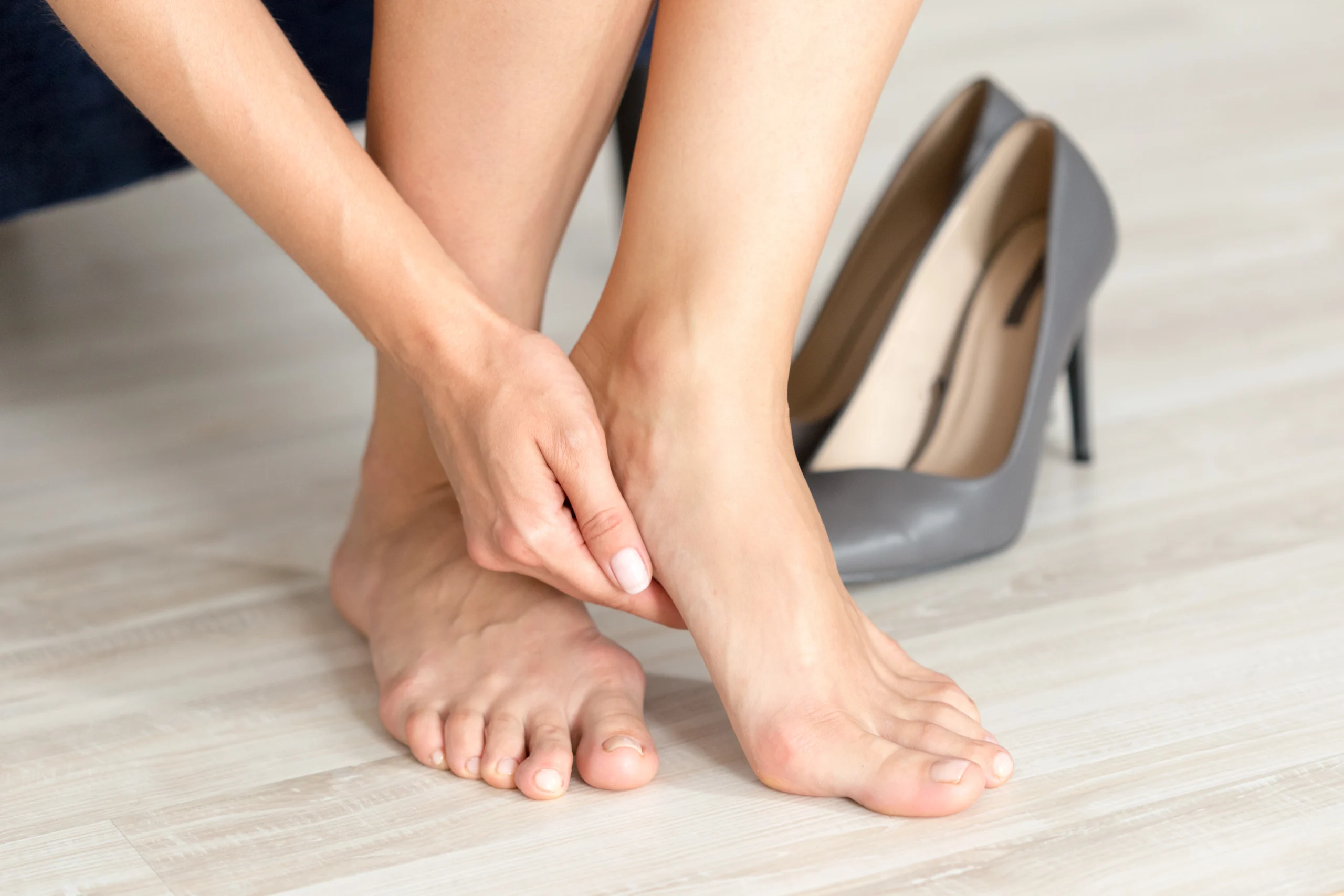 Why Does My Heel Hurt When I Walk? Causes and Treatment Options14 Oct 2026 Podiatrist
 -
 When Should You See a Podiatrist? 10 Warning Signs18 Sep 2026 Podiatrist
 -
 10 Benefits of Physiotherapy for Pain, Mobility, and Recovery31 Aug 2026 Physiotherapist
 -
 How to Recover Faster After a Muscle Strain05 Aug 2026 Physiotherapist
 -
Diabetic Foot Care: Why Regular Podiatry Check-Ups Matter27 Jul 2026 Podiatrist