
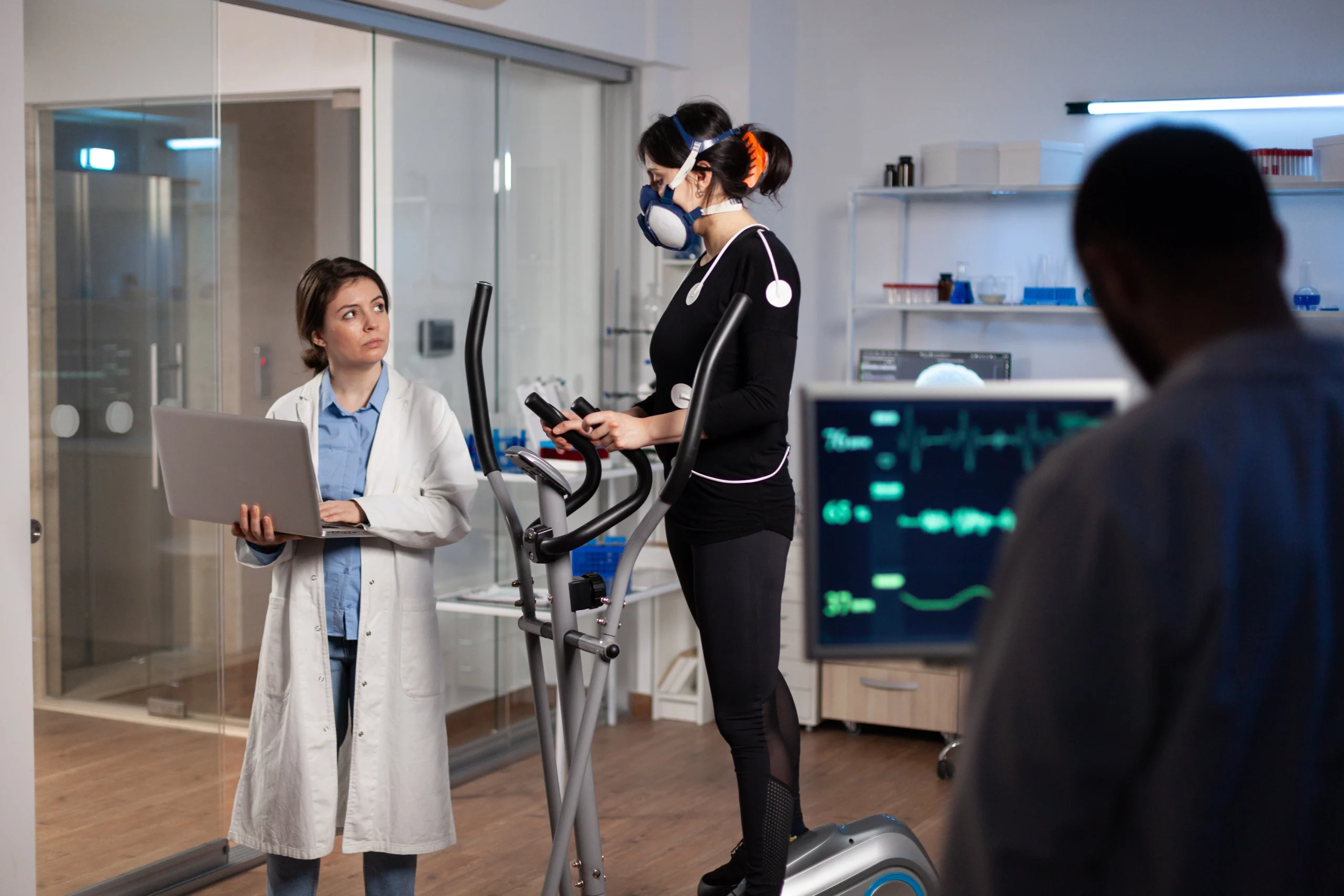
AI in Allied Health: How Technology is Revolutionizing Patient Outcomes in 2026
The landscape of Australian healthcare has undergone a quiet but profound transformation over the last few years. If you walked into a physiotherapy clinic, a speech pathology suite, or an occupational therapy office in 2021, the scene was familiar: clipboards, manual note-taking, and physical exercise handouts. Fast forward to 2026, and while the “human touch” remains the foundation of care, the integration of Artificial Intelligence (AI) has turned these clinics into high-tech hubs of precision medicine.
For patients and practitioners alike, AI is no longer a buzzword found in science fiction—it is a functional, everyday tool that is significantly improving how we diagnose, treat, and recover from health conditions. In this comprehensive guide, we explore the specific ways AI is enhancing allied health outcomes across Australia this year.
Reclaiming the "Human" in the Consultation: AI Clinical Scribes
Perhaps the most immediate change patients have noticed in 2026 is the disappearance of the laptop screen during consultations. For years, “administrative burnout” was the leading cause of stress for Australian allied health professionals. Clinicians spent up to 30% of their day documenting sessions, often typing while the patient spoke.
The AI Solution: Modern clinics now utilize HIPAA and AHPRA-compliant AI scribes. These tools, such as Lyrebird Health and Heidi, use ambient listening to capture the conversation between the therapist and the patient. In seconds, they convert that dialogue into structured clinical notes, GP referral letters, and patient summaries.
The Impact on Outcomes: When a therapist doesn’t have to worry about typing, they can focus 100% of their attention on the patient’s non-verbal cues, movement patterns, and emotional state. This strengthens the “therapeutic alliance”—the bond between provider and patient which research consistently shows is one of the biggest predictors of successful recovery.
Precision Rehabilitation: Computer Vision and Biofeedback
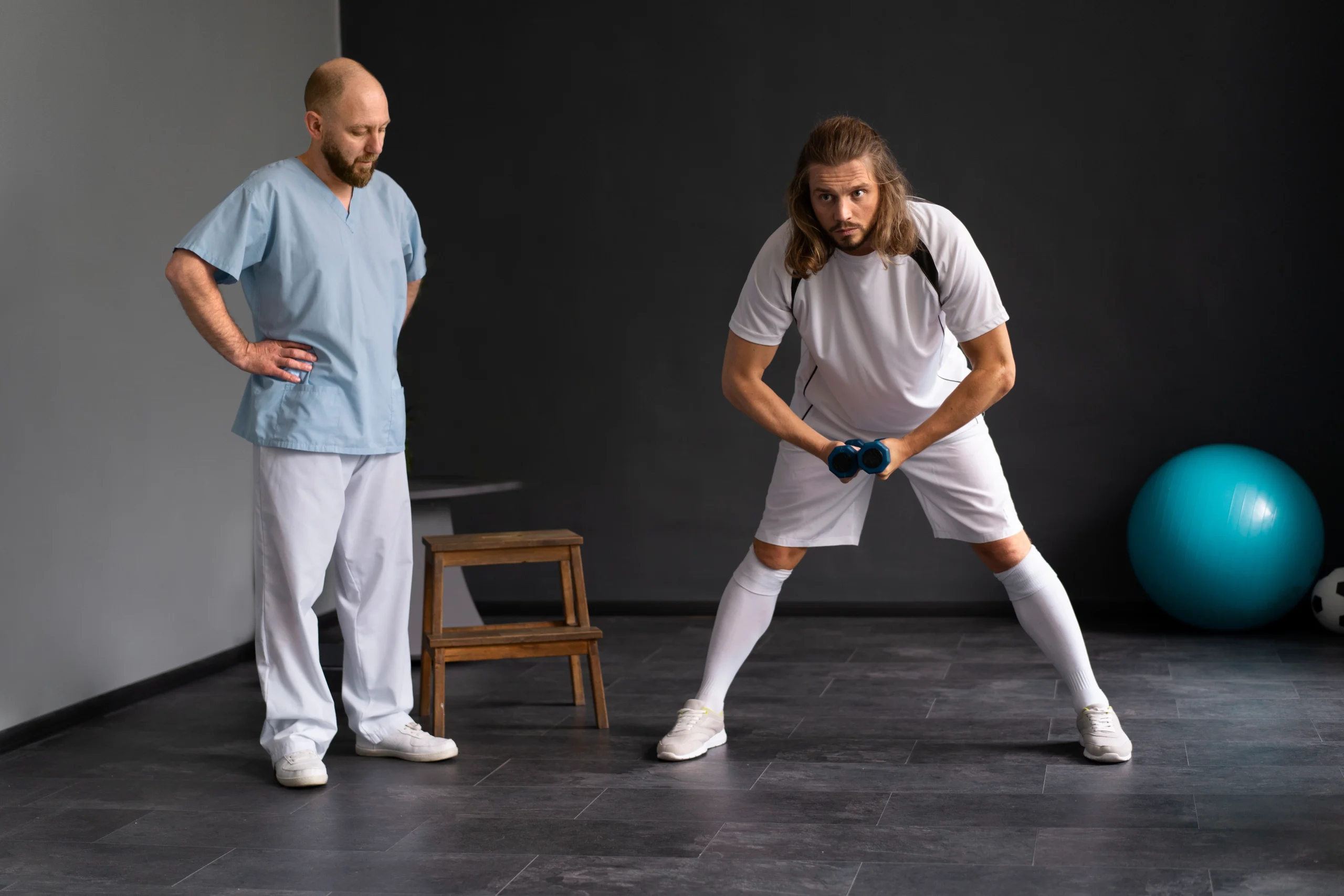
In the past, the “Home Exercise Program” (HEP) was the weak link in the recovery chain. Patients would leave the clinic with a sheet of paper, only to perform the exercises with poor form or, worse, skip them entirely due to a lack of confidence.
The AI Solution: In 2026, the smartphone in your pocket has become a sophisticated motion-capture lab. Using “Computer Vision,” AI-powered apps like Physitrack now track 25+ points on the human body in real-time through the phone’s camera.
The Impact on Outcomes:
- Real-Time Correction: If a patient is performing a squat and their knee collapses inward (valgus), the AI provides an instant audio cue to correct the movement.
- Adherence Data: Clinicians can see exactly how many reps a patient performed and at what quality, allowing them to adjust the plan during the next visit.
- Faster Recovery: Precision leads to efficiency. Patients doing “perfect” reps at home recover significantly faster than those doing incorrect or inconsistent movements.
Early Intervention: AI as a Diagnostic "Second Opinion"
Allied health professionals are highly trained, but they are human. AI excels at finding patterns in massive datasets that the human eye might miss. In 2026, we are seeing AI act as a “diagnostic assistant” across various disciplines.
Podiatry and Gait Analysis
AI-powered pressure plates and wearable sensors can now analyze thousands of footfalls to predict a runner’s risk of a stress fracture weeks before any pain is felt. By identifying “asymmetry” in the gait cycle that is invisible to the naked eye, podiatrists can prescribe orthotics or strength work preventatively.
Speech Pathology
AI algorithms are now being used to analyze the acoustic properties of a child’s speech or an elderly patient’s swallowing sounds. These tools can flag “micro-markers” for developmental delays or early-stage Parkinson’s disease, allowing families to access support months earlier than the traditional “wait and watch” approach allowed.
Mental Health and Occupational Therapy: Sentiment and Cognitive Tracking
In the realms of Psychology and Occupational Therapy (OT), AI is being used to track mental well-being with unprecedented nuance.
The Tech: Wearable devices (like the Oura ring or Apple Watch) now integrate with clinical AI platforms to track “Biometric Sentiment.” This includes Heart Rate Variability (HRV), sleep architecture, and even voice tone analysis.
The Impact on Outcomes: An OT working with a patient with a brain injury can now see objective data on when the patient is most cognitively fatigued during the day. This allows for “Adaptive Scheduling,” where therapy is performed when the patient’s brain is most receptive to learning new skills, rather than just when a 2:00 PM time slot is available.
Bridging the NDIS and Rural Health Gap
Australia’s geography has always been a barrier to equitable healthcare. Furthermore, the NDIS (National Disability Insurance Scheme) often involves complex reporting and long wait times.
The AI Solution: AI is drastically reducing the “postcode lottery.” For rural patients, AI-enhanced telehealth platforms can now perform “Remote Physical Triage.” An AI bot can lead a patient through a series of movement tests via video, collect the data, and present a prioritized report to a specialist in a major city.
For NDIS participants, AI-driven reporting tools help therapists generate the high-quality, data-heavy reports required for plan reviews in a fraction of the time. This means less time spent on paperwork and more “funding hours” spent on actual therapy.
Data Privacy and the Ethics of AI in 2026
With all this data comes the responsibility of security. In 2026, the Australian “Digital Health Identity” framework ensures that patients have total control over their data.
Zero-Retention: Most clinical AI tools used in Australia today operate on a “zero-retention” basis—they process the audio to create a note and then immediately purge the recording.
Human-in-the-Loop: It is a legal requirement in Australia that AI never makes a final clinical decision. It provides “suggestions” that the human professional must verify, edit, and sign off on.
This synergy ensures that while the technology is fast, the final accountability always rests with a qualified, empathetic human being.
Conclusion: The Future is "Augmented," Not Automated
As we navigate 2026, it is clear that AI is not taking the jobs of allied health professionals. Instead, it is stripping away the “non-clinical” burdens that have long hindered the healthcare system.
By leveraging AI for administrative tasks, gait analysis, and home-based monitoring, practitioners are finally free to do the deep, empathetic work that led them to the profession in the first place. For the patient, this means a healthcare experience that is faster, more accurate, and more personal than ever before.
Are you looking for a modern Allied Health provider?
The future of your recovery is here. Whether you need a tech-forward physiotherapist, a data-driven dietitian, or an AI-supported speech pathologist, AlliedHealth.com.au is your gateway to Australia’s leading practitioners. Browse our directory and book your 2026 health check-up today.
Table of Contents
Recent Post
-
 How to Find the Best Allied Health Professionals in Sydney06 Mar 2026 Physiotherapist
 -
 How to Find the Best Podiatrist Near You: 5 Things to Check Before Booking12 Feb 2026 Podiatrist
 -
 Why Does My Shoulder Hurt When Reaching Overhead? 5 Common Causes31 Jan 2026 Physiotherapist
 -
 Why Do My Heels Hurt in the Morning? Understanding Plantar Fasciitis in 202620 Jan 2026 Podiatrist
 -
 Physiotherapy vs. Exercise Physiology: Which One Do You Actually Need?12 Jan 2026 Physiotherapist