
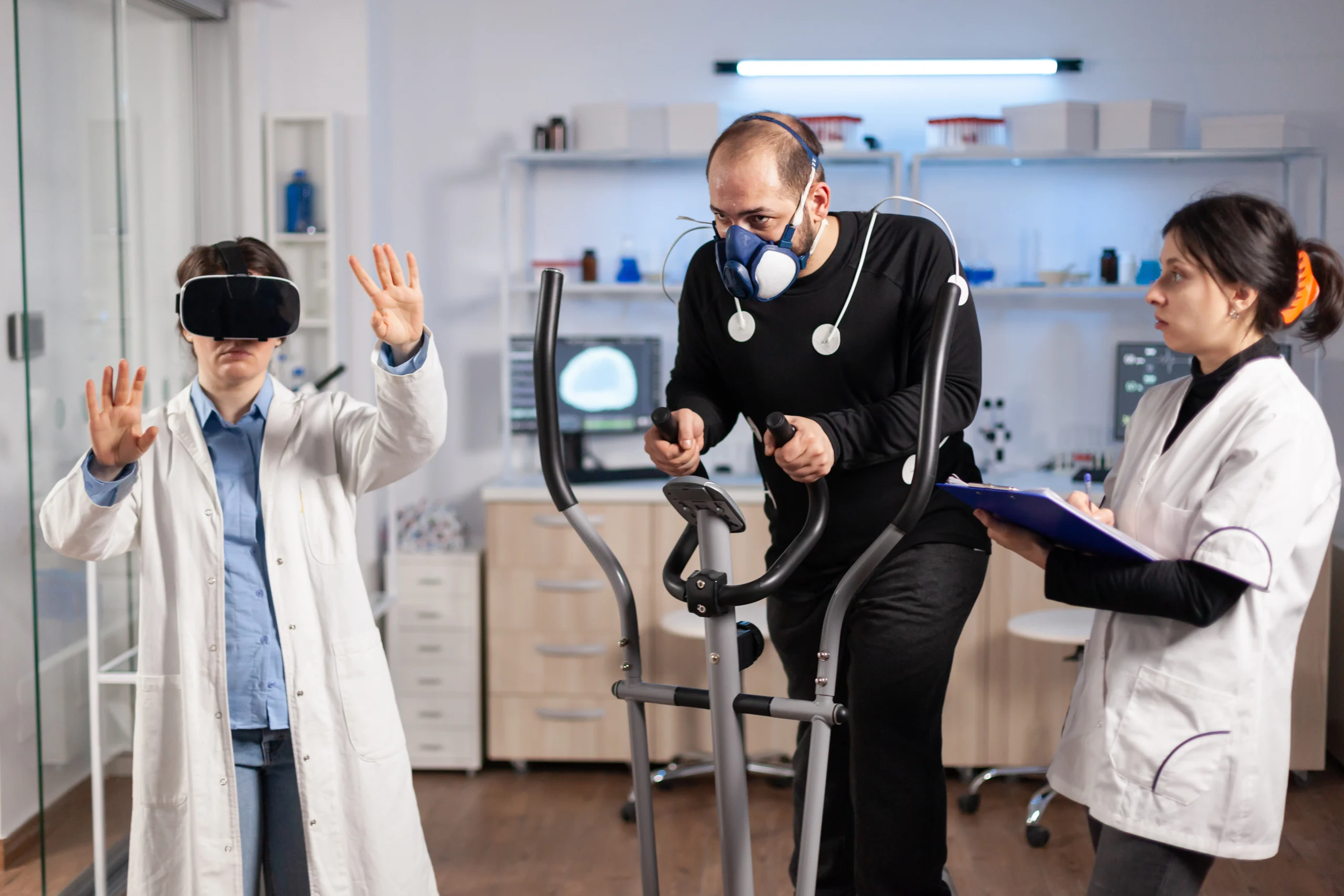
How AI Is Changing Physiotherapy Treatment in 2026
Physiotherapy is evolving rapidly in 2026, driven by one powerful force: artificial intelligence (AI). From faster diagnoses to highly personalized treatment plans, AI is transforming how physiotherapists deliver care and how patients recover.
As the demand for efficient, data-driven healthcare grows, AI is helping bridge the gap between traditional therapy and modern technology—making treatments smarter, faster, and more accessible than ever before.
What Is AI in Physiotherapy?
Artificial Intelligence (AI) in physiotherapy refers to the use of advanced algorithms, machine learning, and smart devices to enhance diagnosis, treatment, and patient monitoring.
In simple terms, AI helps physiotherapists:
- Analyze movement and posture
- Track recovery progress
- Create customized rehabilitation programs
This technology works alongside therapists—not as a replacement, but as a powerful support tool.
Key Ways AI Is Transforming Physiotherapy
AI-Powered Assessment & Diagnosis
AI-driven tools can now analyze body movements with incredible precision using cameras, sensors, and software. These systems can:
- Detect posture imbalances
- Identify movement dysfunctions
- Provide faster and more accurate assessments
This reduces guesswork and allows physiotherapists to start treatment sooner.
Step 2: Know What Qualifications and Registration to Look For
In Australia, many allied health professions are regulated by the Australian Health Practitioner Regulation Agency (AHPRA). Always verify that your practitioner is AHPRA-registered where applicable. This ensures they meet national standards for education, competence, and professional conduct.
Key things to verify before booking:
- AHPRA registration (for physiotherapists, psychologists, OTs, podiatrists, and others)
- Membership in relevant professional bodies (e.g., Speech Pathology Australia, Dietitians Australia)
- Experience with your specific condition or age group
- NDIS registration status, if applicable
- Medicare and private health fund billing options
Step 3: Use a Trusted Online Directory to Search and Compare
directory that lets you search by discipline, location, and funding type. AlliedHealth.com.au is Australia’s dedicated platform for finding, comparing, and reviewing allied health practitioners across Sydney and the rest of the country.
Using a directory like AlliedHealth.com.au allows you to filter by suburb or postcode, see verified practitioner profiles, read real client reviews, check available appointment types (in-clinic, in-home, or telehealth), and compare fees and funding options — all in one place. This saves considerable time compared to searching suburb by suburb or calling multiple clinics individually.
Other useful search methods include GP and specialist referrals, community health centres operated by Sydney Local Health District, word of mouth from carers, schools, or support coordinators, and NDIS support coordinators who maintain networks of trusted providers.
Personalized Treatment Plans
Every patient is different—and AI makes it easier to treat them that way.
By analyzing data such as:
- Age
- Injury type
- Mobility levels
- Recovery progress
AI can generate tailored exercise programs that adapt in real time, ensuring patients get the most effective treatment at every stage.
Virtual Physiotherapy & Tele-rehabilitation
Telehealth has become a major trend, and AI is taking it to the next level.
Patients can now:
- Attend virtual physiotherapy sessions
- Receive real-time feedback on exercises
- Follow guided rehab programs from home
This is especially beneficial for patients in remote areas or those with limited mobility.
Smart Wearables & Real-Time Monitoring
Wearable devices are revolutionizing how recovery is tracked.
These devices can:
- Monitor posture and movement
- Track daily activity levels
- Alert users when exercises are done incorrectly
With continuous monitoring, physiotherapists can make better-informed decisions and adjust treatments quickly.
Predictive Analytics for Recovery
AI doesn’t just track progress—it predicts the future.
Using large datasets, AI can:
- Estimate recovery timelines
- Identify risks of re-injury
- Suggest early interventions
This proactive approach helps patients recover faster and more safely.
Benefits of AI in Physiotherapy
AI is bringing several key advantages to physiotherapy treatment:
- Faster and more accurate diagnosis
- Highly personalized treatment plans
- Improved patient engagement and motivation
- Reduced risk of human error
- Continuous monitoring and support
Overall, patients experience better outcomes with less trial and error.
Challenges & Limitations
Despite its benefits, AI in physiotherapy also comes with challenges:
- Data privacy and security concerns
- High setup costs for clinics
- Dependence on technology
- Limited human touch if overused
It’s important to balance innovation with patient-centered care.
Role of Physiotherapists in the AI Era
AI is not here to replace physiotherapists—it’s here to empower them.
Human expertise remains essential for:
- Clinical decision-making
- Emotional support and motivation
- Hands-on treatment techniques
The best outcomes come from a combination of human care + intelligent technology.
Future of Physiotherapy with AI
Looking ahead, AI will continue to reshape physiotherapy in exciting ways:
- Fully automated movement assessments
- Smarter home-based rehabilitation programs
- Integration with telehealth platforms
- Wider access to expert-level care worldwide
As technology advances, physiotherapy will become more efficient, accessible, and personalized than ever before.
Conclusion
AI is revolutionizing physiotherapy treatment in 2026 by making care more precise, personalized, and accessible. While technology plays a growing role, the expertise of physiotherapists remains at the heart of successful recovery.
By combining innovation with human care, the future of physiotherapy looks incredibly promising.
Looking for a Physiotherapist?
If you’re ready to start your recovery journey, finding the right professional is key.
Explore our directory to find trusted physiotherapists near you and experience modern, AI-enhanced care.
Table of Contents
Recent Post
-
How AI Is Changing Physiotherapy Treatment in 202623 Mar 2026 Physiotherapist
-
 How to Find the Best Allied Health Professionals in Sydney06 Mar 2026 Physiotherapist
 -
 How to Find the Best Podiatrist Near You: 5 Things to Check Before Booking12 Feb 2026 Podiatrist
 -
 Why Does My Shoulder Hurt When Reaching Overhead? 5 Common Causes31 Jan 2026 Physiotherapist
 -
 Why Do My Heels Hurt in the Morning? Understanding Plantar Fasciitis in 202620 Jan 2026 Podiatrist