
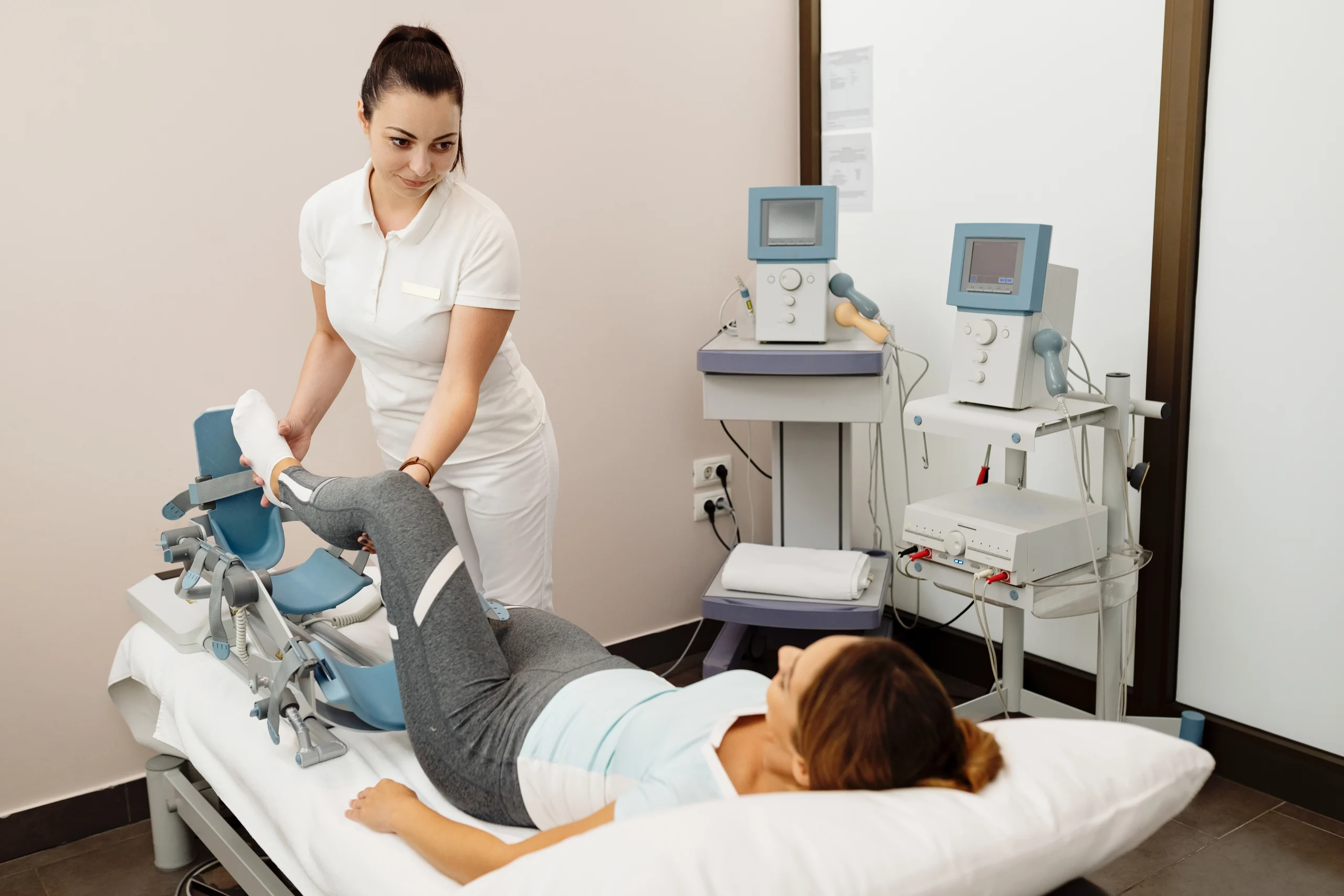
Post-Surgery Physiotherapy: Why It Matters for Faster Healing
Embarking on the road to recovery following a surgical procedure can be daunting. Integrating physiotherapy into your post-operative care is essential. It significantly enhances your chances of a successful recovery, helping you regain strength, mobility, and overall well-being.
Introduction
Importance of Physiotherapy After Surgery
Physiotherapy after surgery is crucial for faster healing. It reduces pain and swelling and restores mobility. The goal of post-surgery physiotherapy is to help patients regain their pre-surgery function and return to their daily activities.
Common Surgeries Requiring Physiotherapy
Many orthopaedic surgeries benefit from post-surgery physiotherapy. These include knee surgery, joint replacement, ACL repair, spinal surgeries, shoulder surgery, and foot and ankle surgery. Following surgery with a tailored physiotherapy plan enhances the healing process.
What Is Post-Surgery Physiotherapy?
Definition and Purpose
Post-surgery physiotherapy is a specialised form of rehabilitation. It is aimed at restoring function and mobility following a surgical procedure. The purpose of physiotherapy is to promote healing and ensure a faster, more complete recovery.
Supporting the Healing Process
Physiotherapy helps the healing process by addressing pain and swelling. It restores range of motion and mobility and strength. Manual therapy and targeted exercises are used to promote soft tissue repair. Physiotherapy is crucial for a successful recovery.
Rehabilitation After Surgery
Rehabilitation after surgery involves a personalised physiotherapy plan. The plan is tailored to your specific needs and the type of surgery you underwent. This post-operative physiotherapy supports your recovery journey and promotes independence.
Why Post-Surgery Physiotherapy Is Essential
Faster Recovery and Healing
Post-surgery physiotherapy is crucial for faster healing, and it involves targeted exercises to promote tissue repair and reduce swelling. By engaging in regular physiotherapy sessions, patients recover faster. They also regain mobility and strength effectively.
Prevents Complications
Engaging in physiotherapy helps prevent complications following surgery. This includes joint stiffness, muscle weakness, and reduced mobility. Through tailored exercises and manual therapy, physiotherapy maintains flexibility and promotes better long-term outcomes.
Restores Strength and Flexibility
A key benefit of physiotherapy is that it restores strength and flexibility after surgery. Physiotherapy helps patients regain strength in weakened muscles. It also improves joint movement, which is vital for returning to daily activities.
Improves Balance and Mobility
Physiotherapy helps to improve balance and mobility, particularly after surgeries involving the legs, knees, hips, or spine. Through targeted exercises and gait training, physiotherapy ensures that patients regain confidence in their movement.
Reduces Pain Safely
One significant advantage of physiotherapy is that it reduces pain safely as a non-medication approach. Physiotherapy uses manual therapy and specific exercises to manage pain and promote comfort during the recovery phase. Physiotherapy can help.
Types of Post-Surgery Physiotherapy Treatments
Manual Therapy
Manual therapy is a key component of post-surgery physiotherapy. It involves hands-on techniques to reduce pain and swelling and improve mobility. The physiotherapist uses skilled hand movements to mobilize joints and soft tissue.
Massage Therapy
Massage therapy is an effective post-surgery physiotherapy treatment option that promotes healing. It reduces muscle tension and swelling. A physiotherapist uses various massage techniques to improve circulation and reduce pain after surgery.
Strength Training
Strength training is essential in any post-surgery physiotherapy plan to help patients regain strength after surgery. Targeted exercises are used to strengthen weakened muscles, supporting stability and function. These exercises can be personalised to the type of surgery.
Mobility Exercises
Mobility exercises are vital after surgery to help patients regain range of motion in affected joints. A physiotherapist will design a program with specific movements to reduce stiffness. Mobility exercises improve flexibility. The post-operative physiotherapy plan can help.
Hydrotherapy
Hydrotherapy, or aquatic therapy, involves performing exercises in water and is a valuable tool in post-surgery physiotherapy. The buoyancy of water reduces the stress on joints, making it easier to regain mobility. Hydrotherapy can help speed up the healing process.
Electrotherapy
Electrotherapy uses electrical stimulation to reduce pain, reduce swelling and promote muscle healing, making it a useful part of post-surgery physiotherapy. Techniques like TENS (Transcutaneous Electrical Nerve Stimulation) and ultrasound therapy are commonly used. Physiotherapy can help.
Gait Training
Gait training is a vital part of post-surgery physiotherapy after surgeries involving the lower extremities. This type of physiotherapy treatment helps patients regain their normal walking pattern. Gait training ensures safety and efficiency while performing daily activities.
Breathing & Circulation Exercises
Breathing and circulation exercises are crucial to prevent post-operative complications. These exercises promote optimal blood flow, reduce the risk of blood clots, and improve lung function. These exercises are a key element of the post-operative physiotherapy recovery plan.
Benefits of Starting Physiotherapy Early
Early Intervention Recommendations
Starting physiotherapy early after surgery is highly recommended to maximize the benefits. Early intervention can reduce pain and swelling, and it will improve mobility and prevent complications. Following surgery, early physiotherapy is crucial for faster healing.
Preventing Long-Term Disability
One of the most important benefits of physiotherapy is preventing long-term disability after surgery. By addressing issues like muscle weakness and stiffness early, physiotherapy helps patients regain their function. The successful recovery leads to a better quality of life.
Post-Surgery Physiotherapy Timeline
Weeks 1–2
During the first two weeks post-surgery, the focus of physiotherapy is on pain management. It also reduces swelling and gentle movements to maintain some mobility. The physiotherapy plan includes techniques to promote soft tissue healing after surgery.
Weeks 3–6
In weeks 3–6 of post-surgery, physiotherapy emphasizes increasing strength and mobility. Exercises that target specific muscle groups are introduced to help patients regain their function and begin returning to daily activities.
Weeks 6–12
From weeks 6–12, the physiotherapy program involves more advanced exercises to restore full function and mobility. This phase focuses on improving strength, balance, and coordination, which are essential for a return to normal activities.
3 Months and Beyond
Three months post-surgery, physiotherapy focuses on returning the patient to sport/work activities. The physiotherapy treatment is tailored to the patient. The goal is to ensure they are able to perform all necessary tasks without pain or risk of re-injury.
Choosing the Right Physiotherapist in Australia
Qualifications to Look For
When seeking the best physiotherapist Australia for your needs, qualifications are paramount. Ensure your physiotherapist is registered and certified. A qualified physiotherapist possesses in-depth knowledge of anatomy, physiology, and post-operative physiotherapy. This expertise ensures that you are getting high-quality care for recovering from surgery.
Experience with Post-Operative Rehab
Experience is a vital factor when choosing a post-surgery rehab specialist. Look for a physiotherapist with extensive experience in post-operative physiotherapy. This expertise helps to tailor a physiotherapy plan that suits your unique needs and ensures a smooth and successful recovery following your type of surgery.
Location Considerations
Location is a practical consideration when seeking a physiotherapy clinic near me. Whether you’re in Sydney, Melbourne, or Brisbane, ensure the post-surgery physiotherapy clinic is accessible. This convenience will support your consistency with appointments, an integral component of the healing process.
Tips for a Successful Recovery
Following Your Physiotherapist’s Plan
Adhering to your physiotherapist’s plan is crucial for a successful post-surgery recovery. A physiotherapist can tailor exercises, manual therapy, and other treatments. These promote healing and regain strength. Following the physiotherapy plan will accelerate the recovery process and help you regain mobility.
Consistency with Home Exercises
Consistency with home exercises is essential for your recovery journey. Regular practice reinforces the benefits of physiotherapy sessions. This dedication helps you regain strength and mobility, contributing to faster healing and improved outcomes. You should personalise your exercises to promote healing and regain mobility.
Maintaining a Healthy Lifestyle
Maintaining a healthy lifestyle is integral to enhancing your post-surgery physiotherapy. A balanced diet, hydration, and adequate rest support tissue repair and reduce inflammation. A healthy lifestyle complements the healing process, enhancing the benefits of physiotherapy after surgery.
When to See a Physiotherapist Immediately
Signs of Complications
Recognizing signs of complications is crucial during post-surgery recovery. Contact your physiotherapist immediately if you experience persistent pain and swelling. Seek immediate attention if you have limited movement, redness, or signs of infection. Post-operative physiotherapy is crucial to ensure you are healing properly.
Symptoms to Monitor
It’s important to monitor your symptoms closely during recovery. Report any concerning signs to your physiotherapist to prevent further complications. Symptoms to monitor include increased pain, new swelling, numbness, or tingling in the surgical area. Addressing issues promptly can prevent long-term problems.
Conclusion
Reiterating the Importance of Physiotherapy After Surgery
The benefits of physiotherapy after surgery are immense. Physiotherapy is crucial for faster healing, improved mobility, and enhanced quality of life after a surgical procedure. Prioritizing physiotherapy for faster recovery is vital for a positive long-term outcome. Post-operative physiotherapy is a must.
Encouraging Readers to Find Qualified Practitioners
To maximize the benefits of post-surgery physiotherapy, find a qualified practitioner. We encourage you to use our platform to locate the best physiotherapist in Australia. These physiotherapy experts will tailor a post-surgery physiotherapy program for faster recovery after your type of surgery. Physiotherapy can help you regain mobility and strength.
Table of Contents
Recent Post
-
 How to Find the Best Allied Health Professionals in Sydney06 Mar 2026 Physiotherapist
 -
 How to Find the Best Podiatrist Near You: 5 Things to Check Before Booking12 Feb 2026 Podiatrist
 -
 Why Does My Shoulder Hurt When Reaching Overhead? 5 Common Causes31 Jan 2026 Physiotherapist
 -
 Why Do My Heels Hurt in the Morning? Understanding Plantar Fasciitis in 202620 Jan 2026 Podiatrist
 -
 Physiotherapy vs. Exercise Physiology: Which One Do You Actually Need?12 Jan 2026 Physiotherapist