
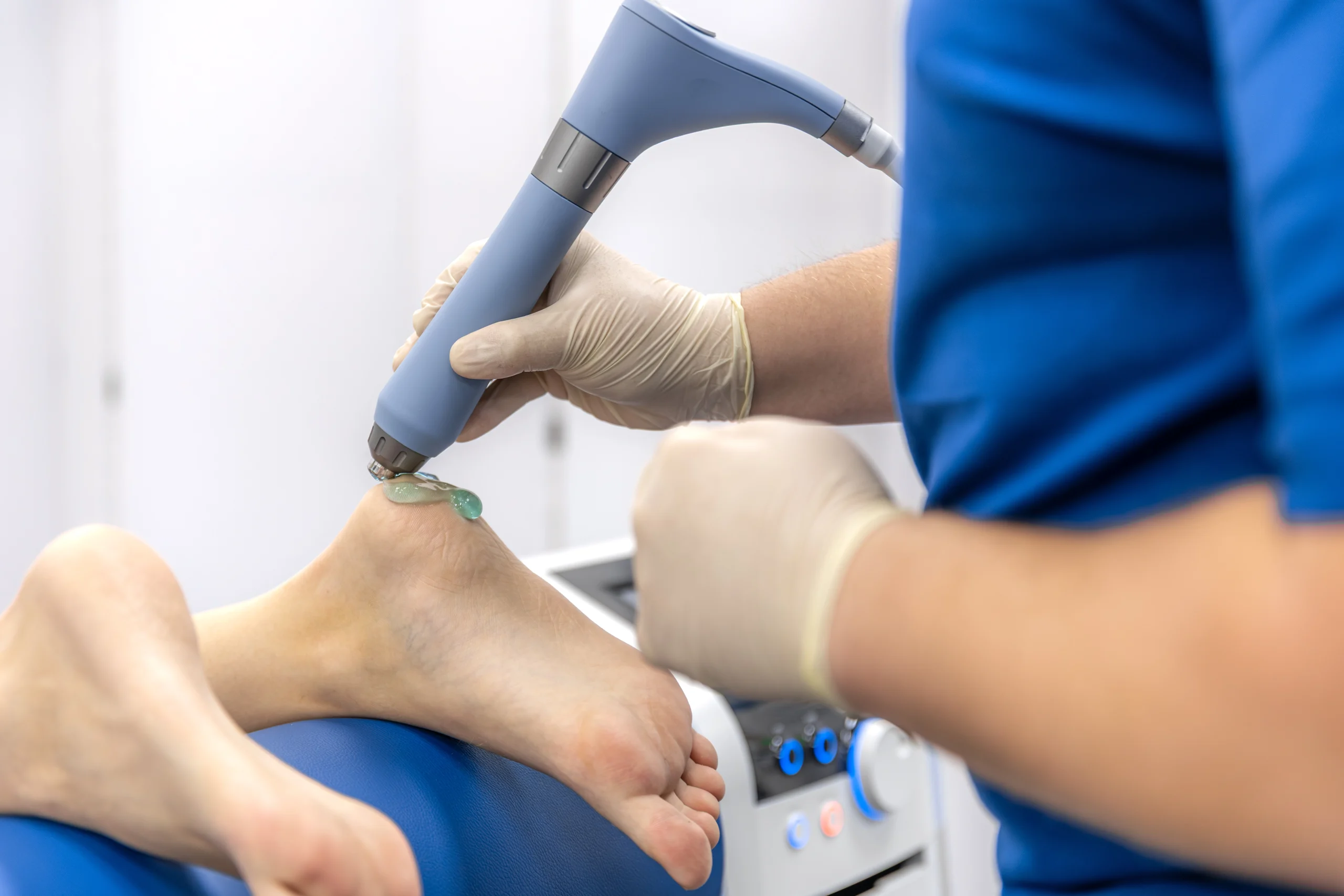
Flat Feet Treatment: How a Podiatrist Can Help You Walk Pain-Free
Flat feet, also known as fallen arches, is a common condition that affects both children and adults. While some people may not experience any discomfort, others can suffer from persistent foot pain, difficulty walking, and even posture-related issues. The good news? With the right care and guidance from a podiatrist, you can manage flat feet effectively and enjoy pain-free movement again.
What Are Flat Feet?
Flat feet occur when the arches of the feet collapse, causing the entire sole to touch the ground. Normally, the arch helps absorb shock and distribute body weight evenly. When this support system fails, it can lead to discomfort and strain on other parts of the body.
There are two main types of flat feet:
- Flexible Flat Feet: The arch appears when the foot is lifted but flattens when standing.
- Rigid Flat Feet: The arch is always absent, even when the foot is not bearing weight.
A simple way to check at home is the wet footprint test—if your footprint shows the entire sole, you may have flat feet.
Causes of Flat Feet
Flat feet can develop due to various reasons, including:
- Genetics: Many people are born with low or no arches
- Injury: Damage to tendons or bones in the foot
- Aging: Natural wear and tear over time
- Obesity: Extra weight puts pressure on the arches
- Pregnancy: Hormonal changes can affect ligaments
- Medical Conditions: Arthritis and diabetes can contribute to arch collapse
Understanding the cause is essential for choosing the right treatment plan.
Symptoms You Shouldn’t Ignore
Not everyone with flat feet experiences pain, but when symptoms occur, they can significantly impact daily life. Watch out for:
- Pain in the heel, arch, or ankle
- Swelling along the inside of the foot
- Difficulty standing or walking for long periods
- Knee, hip, or lower back pain
- Uneven wear on shoes
If you notice these signs, it’s time to consult a podiatrist.
How Flat Feet Affect Your Overall Health
Flat feet don’t just affect your feet—they can influence your entire body. Poor arch support can lead to improper alignment, which may cause:
- Posture problems
- Increased risk of injuries
- Reduced mobility
- Chronic pain in joints and muscles
Early intervention can prevent these complications and improve your quality of life.
When to See a Podiatrist
You should consider visiting a podiatrist if:
- Your foot pain is persistent or worsening
- Walking or standing becomes uncomfortable
- Your daily activities are affected
- Your child shows unusual walking patterns
A podiatrist specializes in diagnosing and treating foot conditions, ensuring you receive targeted care.
Diagnosis by a Podiatrist
A podiatrist will perform a thorough evaluation, which may include:
- Physical Examination: Checking foot structure and flexibility
- Gait Analysis: Observing how you walk
- Imaging Tests: X-rays or MRI for detailed insights
- Medical History Review: Identifying underlying causes
This comprehensive approach helps create a personalized treatment plan.
Flat Feet Treatment Options
Non-Surgical Treatments
Most cases of flat feet can be managed without surgery. Common treatments include:
- Custom Orthotics: Special shoe inserts that provide arch support
- Supportive Footwear: Shoes designed to stabilize and cushion the feet
- Stretching & Strengthening Exercises: Improve flexibility and muscle support
- Pain Management: Ice therapy or medications to reduce inflammation
- Physical Therapy: Guided exercises for long-term improvement
Advanced Treatments
In more severe cases, additional support may be required:
- Braces or ankle supports
- Minimally invasive procedures
Surgical Treatment
Surgery is usually considered a last resort when other treatments fail. It aims to correct the structural issues in the foot and restore proper alignment.
Exercises for Flat Feet
Regular exercises can strengthen your feet and reduce discomfort. Some effective options include:
- Heel Stretches: Improve flexibility in the Achilles tendon
- Arch Lifts: Strengthen the arch muscles
- Toe Curls: Enhance foot stability
Consistency is key to seeing long-term benefits.
Prevention Tips for Healthy Feet
Taking care of your feet can prevent flat feet from worsening:
- Wear well-fitted, supportive footwear
- Maintain a healthy body weight
- Avoid standing for long periods without support
- Perform regular foot exercises
- Schedule routine check-ups with a podiatrist
Why Choose a Podiatrist for Flat Feet Treatment?
A podiatrist provides expert care tailored to your specific condition. Unlike general treatments, podiatric care focuses on:
- Accurate diagnosis
- Customized solutions
- Long-term pain relief
- Prevention of future complications
This specialized approach ensures better outcomes and improved comfort.
Conclusion
Flat feet may seem like a minor issue, but they can lead to significant discomfort if left untreated. The right combination of professional care, proper footwear, and targeted exercises can make a world of difference. Consulting a podiatrist early can help you regain comfort, improve mobility, and enjoy a pain-free life.
👉 Don’t let foot pain hold you back—take the first step towards healthier feet today!
Table of Contents
Recent Post
-
 Why Does My Heel Hurt When I Walk? Causes and Treatment Options14 Oct 2026 Podiatrist
 -
 When Should You See a Podiatrist? 10 Warning Signs18 Sep 2026 Podiatrist
 -
 10 Benefits of Physiotherapy for Pain, Mobility, and Recovery31 Aug 2026 Physiotherapist
 -
 How to Recover Faster After a Muscle Strain05 Aug 2026 Physiotherapist
 -
 Diabetic Foot Care: Why Regular Podiatry Check-Ups Matter27 Jul 2026 Podiatrist