
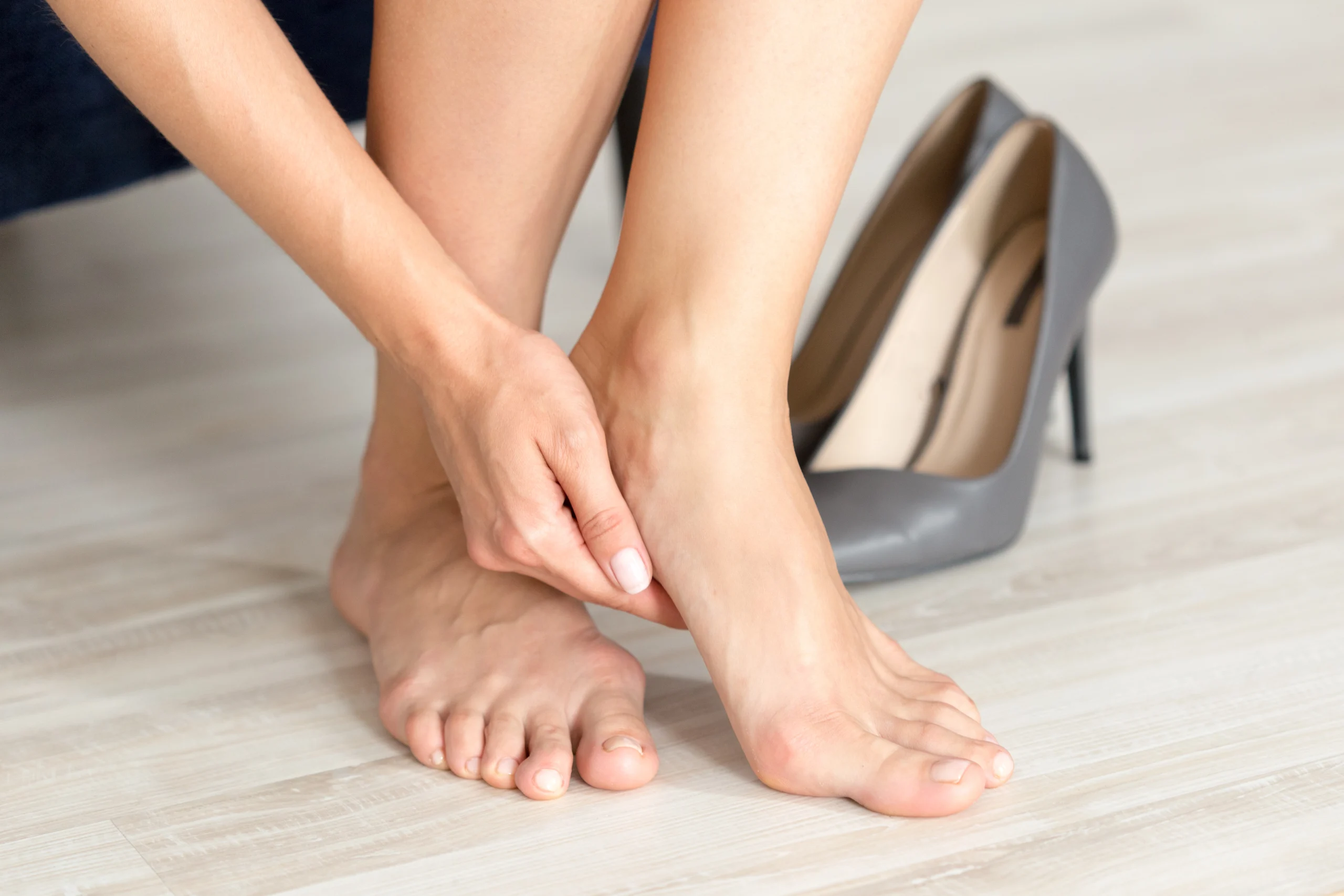
Why Does My Heel Hurt When I Walk? Causes and Treatment Options
Heel pain when walking can make everyday activities such as standing, exercising, climbing stairs, and even taking your first steps in the morning uncomfortable. It is a common foot complaint that can affect people of different ages, particularly those who spend long hours on their feet or participate in regular physical activity.
Understanding the possible causes of heel pain is the first step towards finding the right treatment. Conditions such as plantar fasciitis, Achilles tendinopathy, unsuitable footwear, and repetitive strain can all contribute to heel discomfort.
In this guide, we explore the common causes of heel pain when walking, available heel pain treatment options, home care strategies, and when to consider seeing a podiatrist.
What Does Heel Pain Feel Like?
Heel pain can vary depending on its underlying cause. Some people experience sharp pain beneath the heel, while others notice aching, stiffness, or tenderness around the back of the foot.
Common symptoms of heel pain include:
- Sharp or stabbing pain when taking the first steps in the morning.
- Discomfort when walking or standing for extended periods.
- Pain beneath the heel or along the back of the foot.
- Tenderness when applying pressure to the heel.
- Stiffness after sitting or resting for a long time.
- Swelling or discomfort following exercise.
The location and timing of your pain can provide useful clues about its cause. However, a proper assessment may be needed to determine the underlying condition and identify appropriate treatment.
What Causes Heel Pain When Walking?
Several conditions can cause heel pain when walking. Identifying the underlying cause is important because treatment recommendations can differ depending on the affected structures.
1. Plantar Fasciitis
Plantar fasciitis is a common cause of pain beneath the heel. It involves irritation of the plantar fascia, a thick band of tissue that runs along the bottom of the foot and helps support the arch.
People with plantar fasciitis often experience sharp heel pain during their first steps in the morning or after sitting for an extended period. The discomfort may ease as they move around but can return after prolonged standing or walking.
Factors that may contribute to plantar fasciitis include sudden increases in physical activity, repetitive loading, limited ankle mobility, and footwear that does not suit the individual’s needs.
Treatment may include activity modification, appropriate stretching and strengthening exercises, supportive footwear, and other interventions recommended following a clinical assessment.
2. Achilles Tendinopathy
The Achilles tendon connects the calf muscles to the heel bone. Repetitive loading or a sudden increase in exercise can contribute to pain and stiffness in this tendon.
Achilles tendinopathy commonly causes discomfort at the back of the heel or slightly above it. Symptoms may become more noticeable when walking uphill, climbing stairs, running, or standing on tiptoes.
Management often involves adjusting activity levels and following a progressive strengthening programme suited to the individual’s symptoms. A healthcare professional can help determine the appropriate approach.
3. Heel Spurs
A heel spur is a bony growth that can develop on the heel bone. Heel spurs are sometimes identified in people experiencing heel pain, but they can also occur without symptoms.
It is important to understand that the presence of a heel spur does not necessarily mean it is causing the pain. Other conditions, including plantar fasciitis, may be responsible for the discomfort.
Treatment generally focuses on identifying and managing the source of symptoms rather than treating an X-ray finding alone.
4. Unsuitable Footwear
Shoes that provide inadequate support, cushioning, or stability may contribute to foot discomfort in some people.
Worn-out shoes, poorly fitting footwear, and shoes that are unsuitable for a particular activity may increase discomfort during walking or exercise.
Choosing comfortable footwear that fits properly and suits your daily activities may help reduce unnecessary stress on the feet. People with persistent symptoms may benefit from professional footwear advice.
5. Overuse and Repetitive Strain
Increasing walking distances, starting a new exercise routine, running on unfamiliar surfaces, or standing for long periods can place additional stress on the heel and surrounding tissues.
Heel pain related to overuse may develop gradually and become more noticeable towards the end of the day or after exercise.
Adjusting activity levels and allowing adequate recovery may help. However, persistent or worsening pain should not be ignored, as other conditions may require specific treatment.
6. Heel Fat Pad Problems and Stress Fractures
The heel contains a protective fat pad that cushions the heel bone during standing and walking. Irritation or damage to this tissue may cause a bruised sensation beneath the heel, particularly when walking on hard surfaces.
A stress fracture is a small crack in a bone that can develop from repetitive loading. It may cause progressively worsening pain, tenderness, and difficulty bearing weight.
These conditions require appropriate assessment because their treatment may differ from that of plantar fasciitis. Avoid continuing painful impact activities if a stress fracture is suspected.
Why Does My Heel Hurt More in the Morning?
Heel pain that is worse during the first few steps after waking up is commonly associated with plantar fasciitis.
During periods of rest, the plantar fascia and surrounding tissues are relatively inactive. When you begin walking, these structures are loaded again, which may trigger discomfort if they are irritated.
Some people notice that the pain improves after moving around but returns after prolonged standing, walking, or exercise.
Although morning heel pain is a recognised symptom of plantar fasciitis, it is not exclusive to this condition. If the pain continues, becomes severe, or interferes with daily activities, consider seeking a professional assessment.
How Is Heel Pain Diagnosed?
Identifying the cause of heel pain is an important part of choosing appropriate treatment. A podiatrist or other healthcare professional may assess several factors to understand your symptoms.
An assessment may include:
- Medical history: Discussing when the pain started, your daily activities, exercise routine, and any previous foot problems.
- Pain location: Examining whether the discomfort occurs beneath the heel, behind the heel, or around the ankle.
- Foot and ankle assessment: Evaluating movement, tenderness, strength, and mobility.
- Walking assessment: Observing your walking pattern and identifying factors that may contribute to discomfort.
- Imaging when necessary: An X-ray, ultrasound, or other investigation may be recommended when the clinical findings indicate a need.
Not everyone with heel pain requires imaging. The appropriate assessment depends on your symptoms, examination findings, and medical history.
Heel Pain Treatment Options
The most suitable heel pain treatment depends on the underlying cause, how long symptoms have been present, and how much they affect your daily activities.
A personalised approach may combine several of the following strategies.
1. Rest and Activity Modification
Temporarily reducing activities that aggravate heel pain can help manage excessive loading.
For example, you may need to reduce running, jumping, or prolonged standing while symptoms settle. Comfortable, low-impact activities may remain appropriate depending on the condition.
Complete inactivity is not always necessary. The goal is to find a manageable activity level without repeatedly worsening symptoms.
2. Supportive Footwear
Comfortable, properly fitting shoes may help reduce pressure and improve comfort during walking.
Depending on your needs, useful footwear features may include adequate cushioning, a secure fit, and suitable support for your activities.
Avoid relying on a single type of shoe as a universal solution. Footwear recommendations should consider the cause of your heel pain, your foot structure, and your everyday routine.
3. Stretching and Strengthening Exercises
Appropriate exercises may help some people with heel pain, particularly when calf tightness, reduced mobility, or tendon loading is involved.
A healthcare professional may recommend calf stretches, plantar fascia stretches, or progressive strengthening exercises based on your diagnosis.
Exercises should be introduced gradually and should not cause significant or increasing pain. Certain conditions, including suspected stress fractures or acute injuries, may require different management.
4. Orthotics and Heel Cushions
Orthotics and heel cushions are sometimes used to improve comfort and help manage the forces placed on the feet.
Options may include prefabricated insoles, heel cups, or custom orthotics designed around an individual’s foot shape and functional needs.
Custom orthotics are not necessary for everyone with heel pain. A podiatrist can help determine whether an orthotic device is appropriate and whether it should be combined with other treatment strategies.
5. Podiatry Treatment
A podiatrist can assess the possible causes of heel pain and recommend a management plan tailored to your symptoms and lifestyle.
Depending on the findings, treatment may include footwear recommendations, activity modification, exercise guidance, orthotic advice, and monitoring of your progress.
If your symptoms suggest a condition requiring further investigation or specialist care, your podiatrist may recommend an appropriate referral.
6. Further Medical Treatment
Some cases of heel pain may require additional medical treatment, particularly when symptoms persist despite appropriate conservative care.
The next steps depend on the diagnosis and may involve further investigations, specialist assessment, or selected medical interventions.
There is no single treatment that works for every cause of heel pain. An accurate diagnosis helps ensure that treatment is appropriate for the condition.
Home Remedies and Exercises for Heel Pain
If your symptoms are mild and there are no warning signs of a serious injury, some simple measures may help improve comfort while you monitor your condition.
Consider the following strategies:
- Apply ice: Use an ice pack wrapped in a towel for short periods to help ease discomfort. Do not apply ice directly to the skin.
- Try gentle stretching: Calf and plantar fascia stretches may help with certain causes of heel pain if they are comfortable and appropriate for your condition.
- Reduce aggravating activities: Temporarily adjust activities that repeatedly increase your pain.
- Choose suitable footwear: Wear comfortable shoes that fit well and provide appropriate cushioning.
- Avoid pushing through pain: Stop activities or exercises that cause increasing discomfort.
Home care may not be sufficient for every condition. If your pain persists, worsens, or limits your ability to walk, seek professional advice rather than continuing to manage it on your own.
When Should You See a Podiatrist for Heel Pain?
Occasional heel discomfort may improve with appropriate changes to footwear and activity. However, persistent or recurring symptoms deserve attention.
Consider arranging a podiatry assessment if:
- Your heel pain continues despite simple self-care measures.
- Walking, standing, work, or exercise becomes difficult.
- You experience repeated episodes of heel pain.
- You notice ongoing swelling, tenderness, or stiffness.
- You are unsure what is causing the discomfort.
- You need advice about footwear, exercises, or orthotic options.
Seek prompt medical assessment if you develop severe heel pain following an injury, cannot bear weight, or have significant swelling. A hot, red heel accompanied by fever, or a wound with signs of infection, also requires urgent attention.
People with diabetes, poor circulation, or reduced sensation should seek early professional advice for new foot pain or skin changes.
A podiatrist can help assess the problem and determine whether podiatry treatment, further investigations, or referral to another healthcare professional is appropriate.
How Can You Prevent Heel Pain From Returning?
Although not every cause of heel pain can be prevented, a few practical habits may help reduce the risk of recurring discomfort.
Increase Activity Gradually
Avoid sudden increases in walking distances, running intensity, or exercise frequency. Allow your body time to adapt to new physical demands.
Wear Appropriate Footwear
Choose shoes that fit comfortably and suit your work, exercise, and everyday activities. Replace footwear when it becomes excessively worn or no longer provides suitable support.
Maintain Foot and Calf Strength
Gradual strengthening and mobility exercises may help support foot function and tolerance to everyday activity. Choose exercises appropriate to your condition and physical ability.
Allow Adequate Recovery
Balance demanding activities with sufficient recovery time, especially when increasing exercise or spending long hours on your feet.
Address Recurring Symptoms Early
If heel discomfort repeatedly returns, seek advice rather than continuing activities that consistently aggravate it. Early assessment may help identify contributing factors and guide appropriate management.
Find the Right Podiatry Care for Heel Pain
Heel pain when walking can affect your comfort, mobility, and ability to enjoy everyday activities. Understanding the possible causes and choosing appropriate treatment can help you take informed steps towards better foot health.
Whether your discomfort is related to plantar fasciitis, Achilles tendinopathy, footwear, or another condition, professional assessment can help identify the cause and guide your next steps.
If you are experiencing persistent heel pain, explore Allied Health Australia to find a suitable podiatrist and learn more about available podiatry services.
Taking action early can help you understand your symptoms and make informed decisions about your foot health.
Health information disclaimer: This article is intended for general educational purposes and does not replace an individual assessment, diagnosis, or treatment plan from a qualified healthcare professional.
Table of Contents
Recent Post
-
Why Does My Heel Hurt When I Walk? Causes and Treatment Options14 Oct 2026 Podiatrist
-
 When Should You See a Podiatrist? 10 Warning Signs18 Sep 2026 Podiatrist
-
 10 Benefits of Physiotherapy for Pain, Mobility, and Recovery31 Aug 2026 Physiotherapist
-
 How to Recover Faster After a Muscle Strain05 Aug 2026 Physiotherapist
-
 Diabetic Foot Care: Why Regular Podiatry Check-Ups Matter27 Jul 2026 Podiatrist